

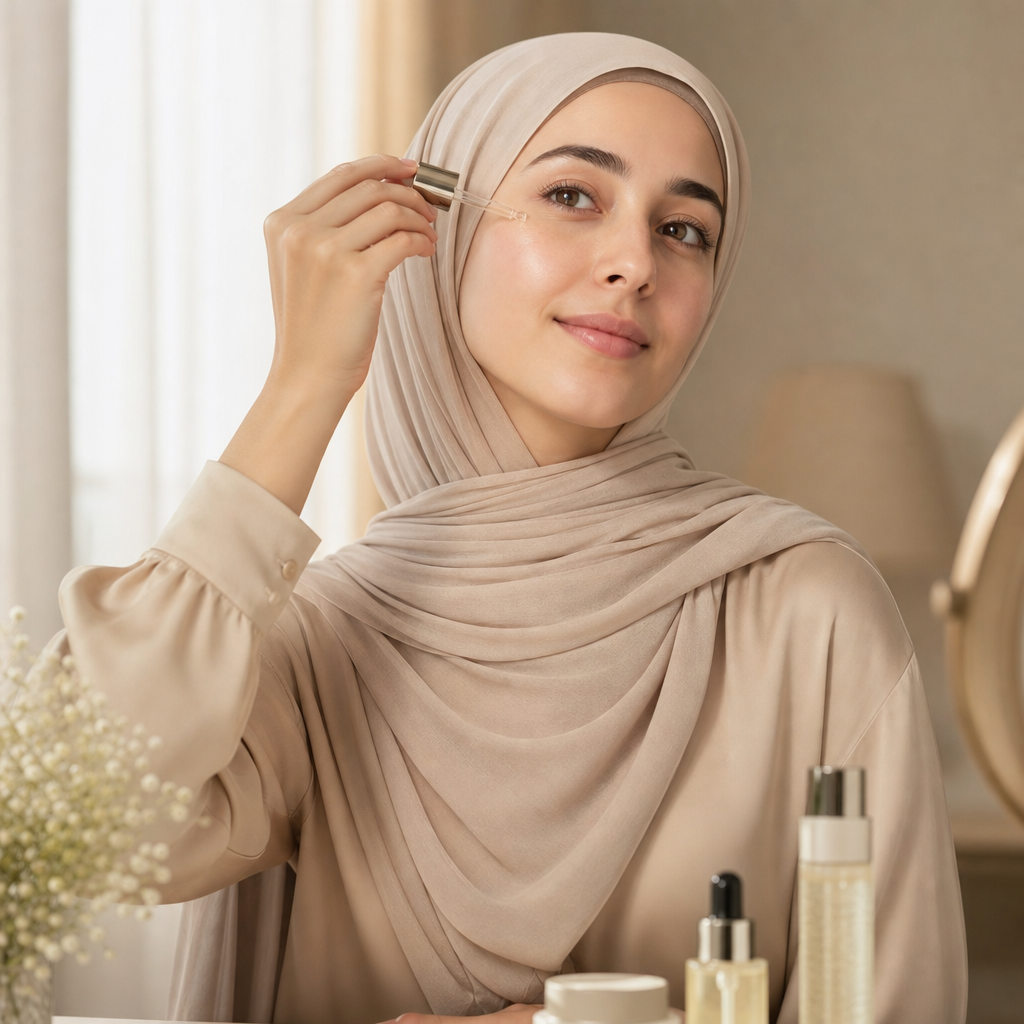
Skincare has evolved far beyond the basics of cleanse, tone, and moisturize. Today, targeted treatments are at the heart of every effective routine, and among them, brightening serums have earned a well-deserved reputation as one of the most impactful additions you can make. Whether you are dealing with uneven skin tone, post-acne marks, sun damage, or a general lack of luminosity, a well-formulated brightening serum addresses these concerns at a cellular level — delivering results that surface-level products simply cannot match.
Understanding What a Brightening Serum Actually Does
The term “brightening” is often misunderstood. It does not mean bleaching or dramatically lightening your skin. Instead, a brightening serum works to reduce the appearance of hyperpigmentation, dullness, and discoloration by targeting melanin production and accelerating skin cell turnover. The result is a more even, radiant complexion that looks healthy and refreshed rather than artificially altered.
Most brightening serums rely on a combination of active ingredients such as Vitamin C, niacinamide, alpha arbutin, kojic acid, and tranexamic acid. Each of these compounds works through a slightly different mechanism, but they share a common goal: to interrupt the overproduction of melanin that leads to dark spots and uneven tone. When these ingredients are layered thoughtfully in a single formula, the synergistic effect can be quite remarkable.
The Role of Vitamin C in Skin Radiance
Vitamin C remains one of the most studied and celebrated ingredients in brightening skincare. As a potent antioxidant, it neutralizes free radicals caused by UV exposure and environmental pollutants — two of the primary culprits behind premature aging and pigmentation. Beyond its antioxidant properties, Vitamin C inhibits the enzyme tyrosinase, which is responsible for melanin synthesis. This dual action makes it a cornerstone ingredient in any serious brightening formula.
However, not all Vitamin C formulations are created equal. The stability of ascorbic acid — the purest form of Vitamin C — is notoriously difficult to maintain. Exposure to light and air can quickly degrade the ingredient, rendering it ineffective. This is why the packaging and formulation science behind a brightening serum matters just as much as the ingredient list itself.
Building a Routine Around Your Brightening Serum
Incorporating a brightening serum into your daily routine requires a degree of intentionality. Serums are typically applied after cleansing and toning but before moisturizer, allowing the concentrated actives to penetrate deeply into the skin without a barrier blocking their absorption. Consistency is key — most dermatologists recommend using a brightening serum twice daily, morning and evening, for at least eight to twelve weeks before expecting visible results.
It is also essential to pair your brightening serum with a broad-spectrum SPF during the day. Many brightening ingredients, particularly Vitamin C and AHAs, can increase photosensitivity. Without adequate sun protection, you risk undoing the very progress your serum is working to achieve. Think of sunscreen not as an optional add-on but as the final, non-negotiable step that protects your investment. For a well-rounded approach to daily skincare, this simplified skincare routine guide offers practical, expert-backed advice on structuring your regimen effectively.
Layering Actives Without Causing Irritation
One of the most common mistakes people make when introducing a brightening serum is layering it with too many other actives at once. Retinol, exfoliating acids, and strong antioxidants can all interact with each other in ways that cause irritation, redness, or even compromise the efficacy of each ingredient. A smarter approach is to introduce your brightening serum first, allow your skin to adjust over two to three weeks, and then gradually incorporate other targeted treatments as needed.
If you are unsure how to structure your routine or which products to combine, technology is increasingly offering personalized guidance. Platforms that use talking avatars for daily skincare guidance are making it easier than ever to receive tailored advice without needing an in-person consultation. These tools analyze your skin concerns and recommend routines that are both safe and effective for your specific needs.
What to Look for When Choosing a Brightening Serum
With the market flooded with options, choosing the right brightening serum can feel overwhelming. Here are the key factors to consider before making a purchase. First, examine the ingredient list carefully. Look for clinically proven actives at effective concentrations — a serum that lists Vitamin C as its tenth ingredient is unlikely to deliver meaningful results. Second, consider the formulation’s pH. Vitamin C, for example, is most effective at a pH below 3.5, so a formula that does not account for this will underperform.
Third, pay attention to packaging. Airless pumps and opaque bottles protect light-sensitive ingredients from degradation. Finally, consider your skin type. Those with sensitive skin may benefit more from a serum built around niacinamide or alpha arbutin rather than high-concentration ascorbic acid, which can occasionally cause tingling or mild irritation during the adjustment period.
Spotlight: Bonjil’s Approach to Brightening
Among the growing number of brands entering the brightening space, Bonjil has distinguished itself through a commitment to clean, science-backed formulations that deliver visible results without compromising skin health. Their collection is thoughtfully curated for those who want efficacy without unnecessary fillers or harsh chemicals. The brightening serum range from Bonjil reflects a deep understanding of what modern skin needs — potent actives, stable formulations, and a sensory experience that makes daily use feel like a ritual rather than a chore. Each product in the line is designed to work synergistically with the others, making it easy to build a complete brightening routine without the guesswork.
Why Consistency Outperforms Intensity
One of the most important lessons in skincare is that consistency will always outperform intensity. Using a high-quality brightening serum every day for three months will yield far better results than using a more aggressive treatment sporadically. The skin’s renewal cycle operates on a roughly 28-day schedule, meaning that meaningful change requires patience and commitment. Tracking your progress with weekly photos can help you stay motivated during the early weeks when results may not yet be visible to the naked eye.
Conclusion: Brightness Is a Long-Term Investment
Achieving a brighter, more even complexion is not an overnight transformation — it is the result of informed choices, quality products, and disciplined daily habits. A well-chosen brightening serum is one of the most powerful tools available to you in that journey. By understanding how these formulas work, how to integrate them into your routine, and what to look for in a product, you position yourself to see real, lasting change. The skin you want is not out of reach — it simply requires the right approach and the patience to let science do its work.
 Newsha