

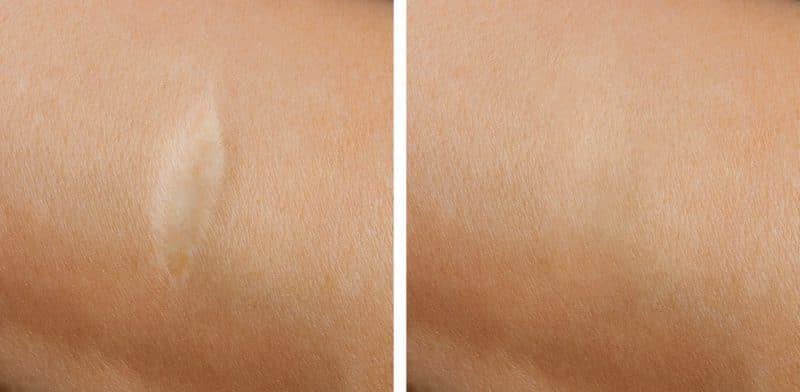
Surgery can resolve an important medical problem while leaving a visible reminder on the skin. An incision may heal neatly yet still differ in colour from the surrounding area. For someone preparing for a holiday, returning to sport or simply dressing without extra thought, that difference can become a practical concern.
Interest in surgery scar camouflage Dubai services often begins at this stage, when recovery is complete, and the focus has shifted from wound care to appearance. It is worth understanding how surgical scars behave before considering cosmetic pigment, because not every incision is ready for treatment at the same time.
Start With the Surgical Timeline
The date stitches were removed is not necessarily the date a scar finished healing. Surgical scars can continue settling and changing colour long after the wound has closed. Their final appearance depends on the procedure, skin tension, location and individual healing response.
Before booking a camouflage appointment, confirm that the operating clinician has no outstanding concerns. Tenderness, persistent redness, raised growth or a scar that continues to change may justify waiting or seeking medical advice. A rushed decision can compromise the outcome.
Read the Shape, Not Just the Shade
A surgical line has physical characteristics as well as colour. Some scars are smooth and flat. Others are depressed, thickened or stretched because of tension in the original wound. Cosmetic pigment addresses tone but cannot erase a groove or flatten raised tissue.
Looking at the scar from different angles helps distinguish a colour problem from a texture problem. If shadow rather than pigmentation makes the line visible, camouflage alone may offer limited improvement. A practitioner should explain that distinction without promising a complete transformation.
Discuss the History of the Area
Surgeons may use different closure methods, and some incisions have previously received laser treatment, injections or other scar care. These details matter because previously treated skin may respond differently to further procedures.
A consultation is an opportunity to disclose medications, allergies, sensitivities and any unusual reactions to earlier tattooing or cosmetic products. Photographs showing how the scar has changed may also be useful. Accurate information supports a safer and more personalised plan.
Choose a Technique With Clear Limits
A medical tattoo for scars Dubai consultation should explain where pigment is deposited, how shades are selected and why more than one session may be advisable. The intended result is softer colour contrast, not the disappearance of the underlying tissue.
Skin colour also varies across the body and with seasonal sun exposure. A close match today may become less exact after tanning. This is one reason that responsible providers discuss possible maintenance and avoid guaranteeing a flawless match for every future condition.
Build Recovery Into Everyday Plans
People often arrange cosmetic appointments around travel, exercise or important events. This is not ideal if it leaves no room for redness, tenderness or a period of restricted sun and water exposure. Healing instructions differ according to the procedure and the area treated.
Allow time for an initial assessment and for any staged pigment adjustments. Avoid scheduling treatment immediately before a beach holiday or an occasion when the scar must look fully settled. The healed result is more informative than its appearance just after the appointment.
A practical way to prepare is to write down upcoming trips, gym sessions and work commitments before the consultation. The practitioner can then explain which activities may conflict with the healing period. This avoids forcing an appointment into a busy diary simply because a convenient slot is available. Cosmetic planning is generally more successful when recovery receives as much attention as the procedure itself.
Measure Improvement in a Useful Way
Before-and-after photographs can be helpful when they use comparable lighting, distance and camera settings. Images taken under different conditions can exaggerate a change. A thoughtful practitioner can explain what genuine improvement looks like on similar scar types.
For some clients, even modest blending makes a meaningful difference in how often they notice the line. Others may decide that camouflage is not worth the upkeep. Both choices are reasonable when based on accurate information rather than pressure.
Conclusion
Surgical scar care has several stages, and cosmetic colour blending belongs near the end rather than the beginning of healing. The most useful plan considers scar maturity, texture, previous procedures and the realities of recovery. Information available through skincamouflage.ae introduces relevant appearance-focused services, while a qualified assessment helps determine whether the technique suits a particular incision. A measured approach is more valuable than a promise that every surgical mark can vanish.
 Newsha