

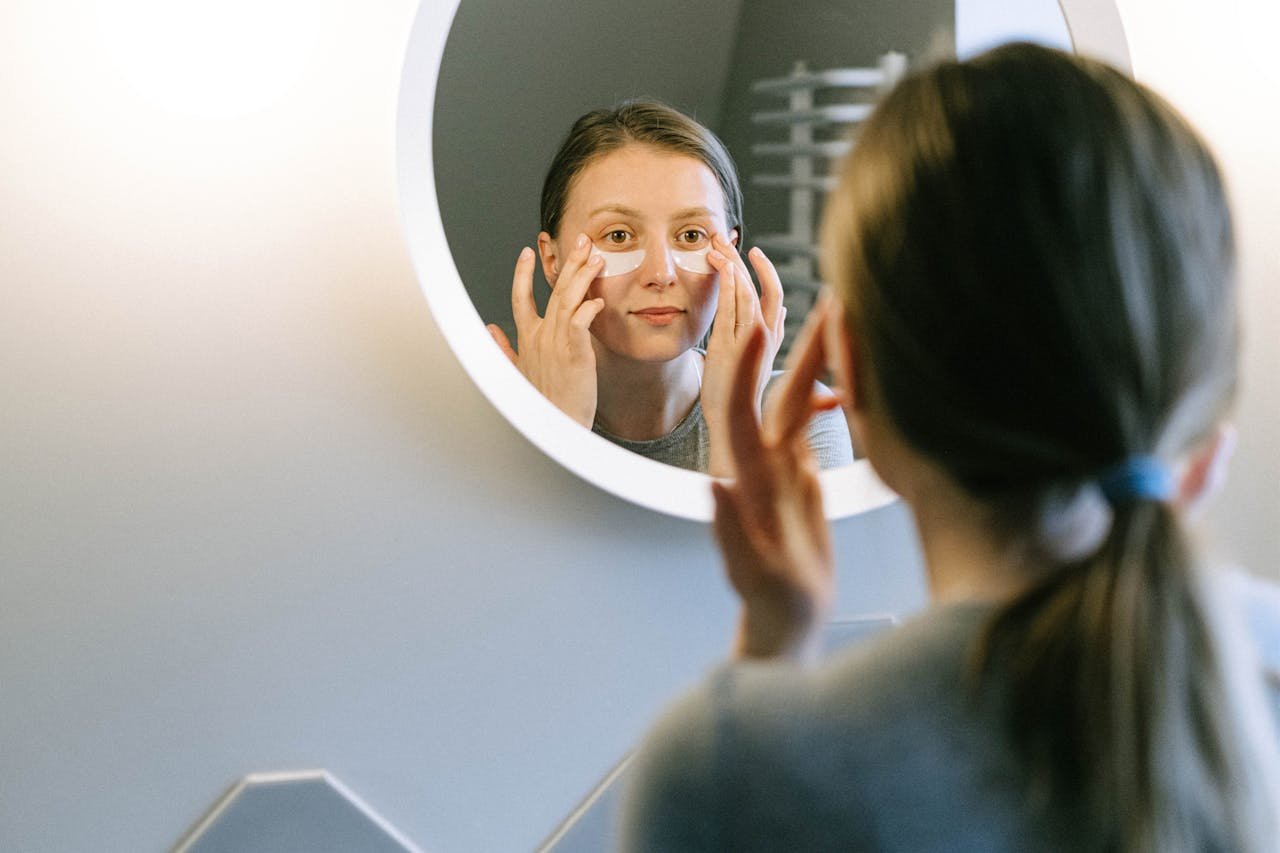
Achieving confidence in your own skin is an important aspect of personal well-being for many people. One topic that has become part of the modern self-care conversation relates to visible changes in skin tone in intimate or delicate zones. This subject, once shrouded in privacy, is now being discussed more openly — with an emphasis on safety, science-based products, and realistic expectations.
If you’ve ever wondered what real changes look like, how results progress, or what safe options exist for addressing uneven pigmentation, this article is designed to help. It explores how targeted skincare formulas can support changes over time, what factors influence outcomes, and how to approach these treatments responsibly.
Many people turn to resources — both educational and product-based — to explore potential solutions. For example, when searching for inspiration on results, terms like anal bleaching before and after are often used to find visual examples and testimonials. However, it’s important to keep in mind that real change is gradual and influenced by individual skin characteristics.
Why Skin Tone Can Vary in Intimate Areas
Variation in skin tone across different parts of the body is completely normal. Melanin — the natural pigment that gives skin its color — is distributed unevenly depending on genetics, friction, hormonal changes, age, and other biological factors.
Here are common reasons for pigmentation differences:
- Natural genetics and inherited traits — Some people naturally have more pigment in certain zones.
- Friction and pressure — Areas that experience friction from clothing or movement can develop darker tones over time.
- Hormonal shifts — Fluctuations in hormones may influence skin pigmentation.
- Aging and environmental factors — Aging skin and past exposure to UV or irritation can impact overall tone.
None of these conditions are harmful. Still, for those who want a more uniform appearance, mild brightening options exist that focus on skincare health rather than aggressive alteration.
How Gentle Skincare Formulations Work
Skin tone improvement in sensitive areas is best approached with products designed to support natural renewal. Instead of harsh bleaching methods, modern formulas use gentle ingredients that work together to help refine tone over repeated use.
Mild Exfoliation
Soft exfoliating agents help encourage the shedding of older surface cells, allowing newer, healthier-looking cells to emerge.
Common agents include:
- Low-concentration acids
- Fruit-derived exfoliants
- Enzymatic formulas
Soothing Extracts
Botanical ingredients like aloe vera, cucumber, and chamomile work to calm, moisturize, and support skin comfort.
These components help minimize irritation and maintain hydration — a key factor in delicate areas.
Antioxidant Support
Vitamins such as C and E help protect the skin from oxidative stress. Over time, this supportive environment encourages a more balanced appearance.
Together, these elements create a gentler approach compared with aggressive lightening methods.
What Safe and Effective Products Include
When choosing a formulation for delicate area care, look for:
Balanced pH:
Products should maintain the skin’s natural pH level to avoid irritation.
Transparent Ingredient Lists:
Quality formulations list each ingredient clearly so consumers can make informed choices.
No Aggressive Chemicals:
Avoid unregulated agents or harsh bleaching chemicals that aren’t intended for skin use.
Clear Usage Instructions:
Reliable kits provide step-by-step application guidance, including frequency and aftercare.
Well-designed skincare systems take all of these into account, allowing users to apply them within their everyday routines.
A Realistic Timeline for Visible Change
One of the most important aspects of any skincare routine is patience. Unlike overnight transformations, improvements in skin tone occur progressively.
Here’s a general idea of how results may develop:
- First week: The skin begins to adjust to the product. Hydration and comfort may improve.
- 2–4 weeks: Regular applications support mild surface cell renewal. Subtle changes may start to appear.
- 4–8 weeks+: Over time, the tone can gradually look more uniform. Consistency is key.
Remember that these timelines vary based on:
- Individual skin type
- Frequency of product use
- Consistency with application
- Underlying skin characteristics
Just as any skincare goal requires persistence and proper routine, results are most sustainable when achieved gradually.
Addressing Safety and Comfort
Sensitive areas deserve special care. Here are essential tips for safe use:
Always Patch Test
Before applying any product to a larger area, test it on a small patch of skin. This helps identify potential sensitivity or irritation.
Follow Instructions
Use products exactly as directed. More frequent application does not speed up results and may increase the risk of irritation.
Avoid Internal Application
Place products only on the intended skin surface — never internally or on broken skin.
Stop If Irritation Occurs
Mild tingling can be normal for some formulas, but sharp pain, burning, or discomfort indicates that you should discontinue use.
Consult a qualified dermatologist if you have specific skin conditions, past reactions, or ongoing concerns.
Nutrition, Hydration, and Overall Skin Health
Skincare is not just topical. Lifestyle factors influence how your skin looks and feels:
- Hydration: Drinking sufficient water supports cell renewal and skin elasticity.
- Balanced Nutrition: Antioxidant-rich foods, healthy fats, and vitamins support overall skin resilience.
- Sun Protection: UV exposure can affect pigmentation on all skin surfaces.
- Gentle Hygiene: Use mild cleansers to avoid disrupting natural skin balance.
Thinking holistically about skin health ensures that treatments complement your body’s natural systems.
Common Misconceptions
Because this topic is sensitive, myths can circulate easily. Let’s address a few:
“Results should be dramatic instantly.”
No. Safe skincare is gradual and cumulative.
“All products are the same.”
Formulations vary greatly. Quality matters more than price or hype.
“Natural always means safe.”
Some natural ingredients can still cause irritation if misused. Always check concentration and intended use.
Understanding what is scientifically grounded versus what is myth helps users set realistic expectations.
Choosing a Product That Fits Your Routine
Quality products for delicate area care are designed to integrate smoothly into your personal hygiene routine without adding complexity.
Tips for selecting a product include:
- Look for dermatologist guidance or review.
- Check customer reviews from verified buyers.
- Ensure clear guidance on frequency and duration of use.
- Review return policies in case of unexpected sensitivity.
The best products are those that support overall skin health while providing visible improvements over time.
How Modern Skincare Reflects Broader Wellness Trends
In recent years, the beauty and wellness industry has shifted toward holistic self-care. People are no longer afraid to explore personalized routines that make them feel better — physically and emotionally.
Here’s what this trend reflects:
- Empowerment over embarrassment: Removing stigma around intimate skincare discussions.
- Safety-first mentality: Preference for science-backed formulations.
- Informed consumer decisions: Increasing research and education before use.
- Body positivity: Valuing comfort and confidence rather than external pressure.
These changes are driving innovation, transparency, and better consumer education.
Frequently Asked Questions
How long does it usually take to see tone improvement?
Visible improvements are gradual. Many users notice subtle changes in 2–4 weeks, with more pronounced results over longer consistent use. Individual outcomes vary.
Are all brightening products safe for delicate skin?
Not all products are created equal. Safe options are formulated specifically for delicate skin and avoid harsh, unregulated chemicals. Always read labels carefully and follow usage instructions.
Is it necessary to consult a dermatologist?
If you have sensitive skin, a history of reactions, or underlying dermatological conditions, consulting a professional before use is recommended.
Can lifestyle affect results?
Absolutely. Hydration, diet, sun exposure, and overall skincare practices influence the skin’s appearance and how it responds to treatments.
Should results be permanent?
Results depend on consistent care and individual skin factors. Changes may require ongoing maintenance to sustain the appearance over time.
Final Thoughts
Skin tone variation in intimate areas is a normal and common trait — not a flaw. For individuals seeking a more even appearance, science-based skincare routines provide a gentle and thoughtful approach. These routines offer gradual, visible improvements without sacrificing comfort or safety.
By choosing products designed for delicate skin, patch testing first, and following clear usage instructions, you can make confident, informed decisions that support both wellness and self-expression.
Modern self‐care emphasizes empowerment, education, and respectful language — and applying these principles ensures that your skincare journey remains safe, informed, and confidence-boosting.
You May Also Like: Why Everyone Is Talking About Stem Cell Skincare Lately
 Newsha