

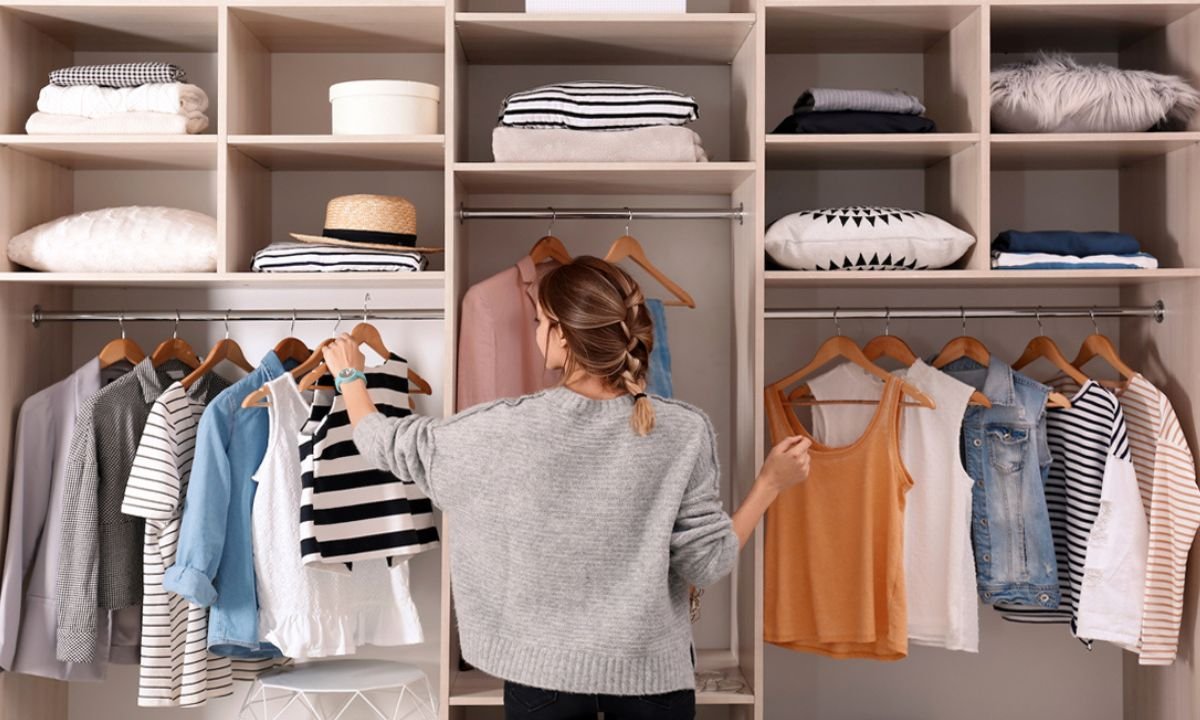
As our tastes and lifestyles change and we gain confidence in our style, our wardrobes sometimes reflect this process. Over time, we accumulate more pieces and our older favorites last us through several style evolutions; our closets start to feel stuffed. When our clothes are difficult to see, our style choices are weighed down by that obstacle, we grab the easiest options, and our closet begins to feel unhappy. Wardrobe management is not about owning less. It is about creating that little bit of space where our personal style can show up clearly, day after day.
People who are serious about style usually think about how their clothes work, not just what’s in them. By organising them (and making room for more rotation), outfits are easier to construct and wear. When space supports visual flow, a growing wardrobe can serve your style rather than drown it.
When clothes start to pile up
My perspective is that wardrobe overload rarely comes from buying too much at once. It usually happens gradually as style evolves and life changes. Pieces are kept because they still feel relevant, even if they are not worn often. The issue is not the clothing itself, but limited space and visibility. When everything competes for the same area, outfits become harder to put together. A practical approach is separating what supports daily style from items worn occasionally. Pieces that are seasonal or reserved for specific events can be stored elsewhere without losing them. Using a solution like Shreveport Barksdale units NSA Storage helps keep special items protected while freeing closet space for everyday wear. This keeps style accessible and prevents good pieces from being forgotten. The goal is clarity, not reduction. When space reflects how you actually dress, style feels easier and more intentional.
Editing without losing style
Keeping what defines your look
Editing works best when it focuses on identity rather than quantity. Clothes that match your current lifestyle and feel natural to wear should stay visible and easy to reach.
Letting rotation do the work
Not everything needs to be available at once. Rotating items keeps closets functional and outfits fresh.
What works in practice:
• Group clothes by how often they are worn
• Store occasion pieces separately
• Review wardrobe at season changes
These steps help maintain a growing wardrobe while keeping style clear, flexible, and easy to express.
Organizing for easy outfits
Organizing a wardrobe should make getting dressed feel effortless. When clothes are arranged with intention, outfits come together naturally instead of requiring extra thought. The first step is visibility. Items that are easy to see are more likely to be worn. Grouping clothing by category, such as tops, bottoms, and layers, helps reduce visual clutter and speeds up choices. Within each category, arranging items by color or style can make combinations easier to spot. Accessibility matters just as much as order. Everyday pieces should be placed at eye level and within reach, while less frequently worn items can be stored higher or lower. This keeps daily routines smooth and prevents frustration. Another helpful habit is limiting overcrowding. When hangers are packed too tightly, clothes are harder to browse and maintain. Leaving space allows garments to breathe and makes outfit planning feel calm. Organizing easy outfits is not about perfection. It is about creating a system that supports how you actually dress. When your wardrobe reflects your daily life, style becomes more intuitive and enjoyable.
Seasonal rotation made simple
Seasonal rotation keeps a wardrobe fresh without adding stress.
One-day use case:
At the start of a new season, a person sets aside an hour to rotate clothing. Off-season items are removed from the main closet and packed neatly. Current-season favorites are brought forward and arranged by category. The closet instantly feels lighter and easier to navigate. The next morning, getting dressed takes minutes instead of guesswork. Throughout the day, outfits feel more intentional because only relevant options are visible. When the season changes again, the process repeats smoothly without being overwhelmed.
Seasonal rotation protects clothing and supports style. By focusing on what fits the weather and lifestyle right now, wardrobes stay manageable and expressive. This simple habit keeps outfits feeling current while preserving the full collection for future wear.
Keeping style intentional
A growing wardrobe flourishes best with intentional decisions. Intentional style stems from understanding what you reach for and why. When clothing reflects real routines, outfits feel more natural and confident. Intentionality curbs spontaneous decisions as well. Before bringing something new into your world, it helps to stop and consider how it fits with what you regularly wear. It’s less likely to be this random outlier that confuses membership of your closet club. Intentionality protects our little world from clutter returning. Style thrives where space supports clarity, not excess.
Common questions answered:
People often ask how to keep style fresh without buying more. Rotating pieces and trying new combinations usually works. Others wonder if intentional style limits creativity. In practice, it enhances it by removing distraction. Some ask how often a wardrobe should be reviewed. Seasonal check-ins are usually enough. Another question is whether trends should be stored or removed. Trends can be rotated out until they feel right again. People also ask if organization changes personal style. It often strengthens it by making preferences clearer.
Dressing with confidence every day
Managing a growing wardrobe without sacrificing style is about clarity, not control. When space supports visibility and flow, getting dressed feels easier and more expressive. Take time to notice which pieces define your look today and give them room to shine. Small adjustments can restore balance quickly. With thoughtful organization and rotation, managing a growing wardrobe without sacrificing style becomes a natural part of daily life rather than a constant effort.
 Admin
Admin