

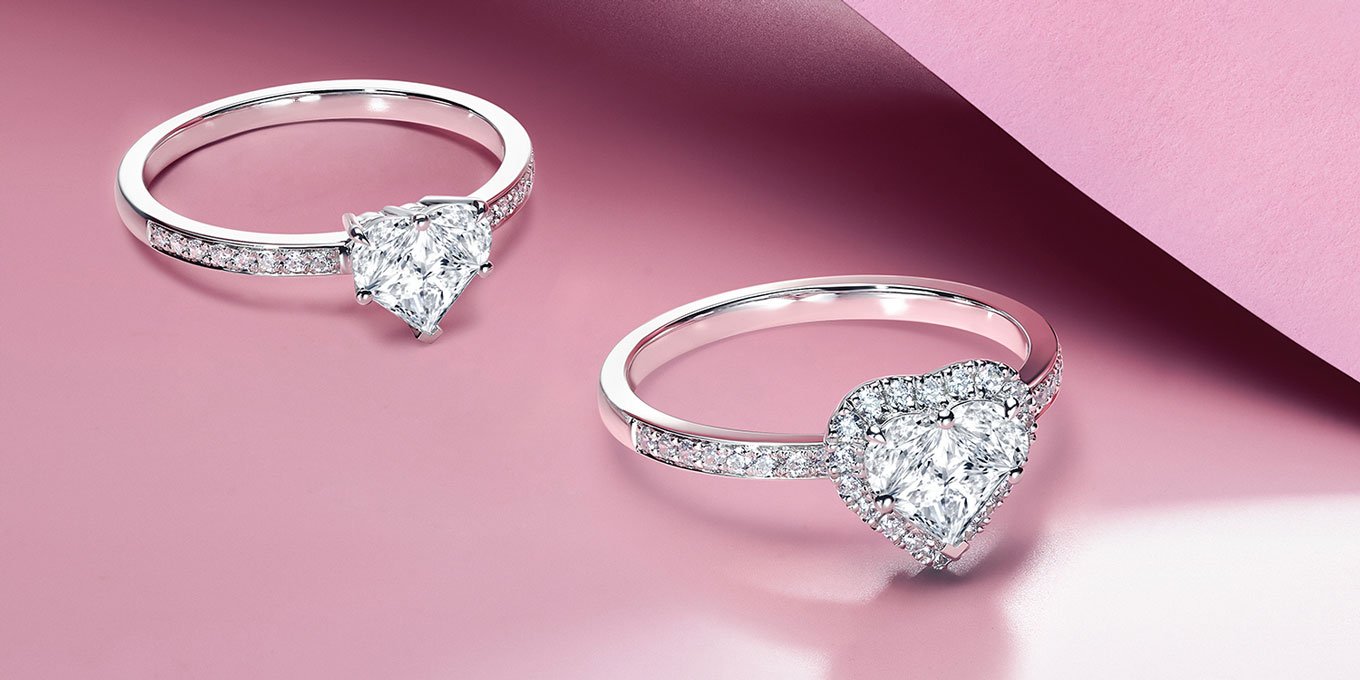
You’ve found the one, and now you’re looking for the ring that symbolizes that forever commitment. If you’ve heard of Darry Ring, you’re likely drawn to its powerful “one ring per lifetime” pledge. But then, the practical questions start to surface. What is the actual Darry Ring price? How much should you budget? And with the rise of lab-grown diamonds, is a Darry Ring still worth the investment? This guide isn’t about pushing you to buy; it’s about giving you the transparent, factual breakdown you need to make a confident, informed decision that aligns with your heart and your wallet.
What is Darry Ring? More Than Just a Jewelry Brand
Before we dive into numbers, it’s crucial to understand what you’re really buying. Darry Ring isn’t just selling diamonds; it’s selling a concept. The brand’s entire identity is built on its unique and binding “one ring per lifetime” policy. To purchase a ring, you must provide your ID, and the brand registers the purchase to you and your partner. This creates an powerful narrative of exclusivity and eternal commitment.
Think of it as a modern-day love token with a digital seal. This isn’t a purchase you can easily make on a whim or reverse. The emotional weight is a significant part of the value proposition. For many couples, this story—this promise etched into the buying process—is as valuable as the ring itself. It transforms a beautiful piece of jewelry into a unique heirloom with a documented beginning.
Darry Ring Price Range: From Entry-Level to Luxury
So, let’s talk numbers. The Darry Ring price spectrum is broad, designed to accommodate different budgets while maintaining its brand promise. You can think of it in three main tiers.
- Entry-Level (Starting Around $500 – $2,000): This range is where you’ll find simpler designs, often featuring smaller carat weights or alternative center stones like high-quality moissanite. Think dainty solitaire engagement rings or more minimalist bands. It’s your gateway into the brand’s promise without a five-figure investment.
- Mid-Range ($2,000 – $10,000): This is the sweet spot for many couples. Here, your budget gets you a wider selection of classic lab-grown diamond rings and smaller natural diamond rings. You can explore popular styles like halo rings (where a center stone is surrounded by smaller diamonds) or pavé bands (covered in small diamonds), with more flexibility on the diamond 4Cs.
- High-End / Luxury ($10,000+): At this level, you’re investing in significant carat weights (think 1.5 carats and above) of high-quality natural diamonds. Expect exceptional grades in color and clarity, often backed by top-tier jewelry certification (GIA/IGI/NGTC), and more intricate, custom-level craftsmanship.
A Real-World Example:
Imagine two couples, Alex & Taylor and Sam & Jordan. Alex & Taylor have a budget of $2,500. They fall in love with a 0.5-carat lab-grown diamond in a classic solitaire setting. Sam & Jordan have a budget of $8,000. They opt for a 1-carat natural diamond with a pavé band and a hidden halo detail. Both are authentic Darry Rings, carrying the same symbolic weight, but their engagement ring price range and final look are tailored to their financial comfort zone.
What Really Drives the Cost? The 4 Key Factors
The final price tag isn’t random. It’s a precise calculation based on four main components. Understanding these will help you see exactly where your money is going.
1. The Diamond Type: Lab-Grown vs. Natural
This is the single biggest factor affecting the Darry Ring price. Here’s a straightforward comparison:
- Natural Diamonds: Formed over billions of years deep within the Earth, their rarity and traditional mining processes command a higher price. You are paying for geological history and the established, perceived scarcity of the stone.
- Lab-Grown Diamonds: These are real diamonds, sharing the same chemical, physical, and optical properties as natural ones. They are created in a controlled laboratory environment using advanced technology. Because this process is more efficient and less resource-intensive, lab-grown diamond rings typically cost 30-50% less than a natural diamond of identical size and quality.
The Trade-Off: The core question is, what do you value more? The unique, ancient origin story of a natural diamond, or the significant cost savings and modern, often more ethically-transparent origin of a lab-grown stone? For many modern couples, the savings on a lab-grown diamond allow them to get a larger or higher-clarity stone without stretching their budget.
2. The Diamond 4Cs: Carat, Cut, Color, Clarity
This is the universal language of diamond quality, whether natural or lab-grown.
- Carat: The weight and size of the diamond. This is the most obvious cost driver—larger stones are rarer and more expensive. The price increases exponentially, not linearly, as carat weight goes up.
- Cut: Often considered the most important “C,” the cut grade refers to how well the diamond’s facets interact with light. An excellent cut gives a diamond its brilliant sparkle. Don’t compromise here; a well-cut smaller diamond can out-sparkle a poorly cut larger one.
- Color: This measures the absence of color in a white diamond. The scale goes from D (colorless) to Z (light yellow or brown). A D-color diamond is rarer and more expensive than a G or H color diamond, which appears near-colorless to the naked eye.
- Clarity: Refers to the absence of internal (inclusions) and external (blemishes) flaws. Flawless (FL) diamonds are the rarest and most expensive, but most inclusions are invisible without magnification. Grades like VS (Very Slightly Included) or SI (Slightly Included) offer excellent value.
Pro Tip: Prioritize Cut above all for brilliance, then balance Carat, Color, and Clarity based on your budget. A slightly lower color or clarity grade can save you thousands with little visible difference.
3. Ring Setting and Metal Type
The stage for your diamond matters. The ring setting and metal type contribute significantly to the overall look and cost.
- Setting Style: A simple solitaire engagement ring is generally more affordable than a complex halo ring or a detailed pavé design, which requires more diamonds and labor-intensive craftsmanship.
- Metal: The choice of band metal also affects the price.
- 18K White, Yellow, or Rose Gold: A premium, classic choice. It’s more expensive than 14K due to its higher gold content.
- Platinum: The most durable and prestigious metal, it is hypoallergenic and naturally white, but it carries a higher price tag than gold.
- 14K Gold: A durable and more budget-friendly option that is still highly popular.
4. The “One Ring Per Lifetime” Policy: Emotional Value vs. Practical Value
This is the intangible cost factor unique to Darry Ring. Part of what you pay for is the brand’s powerful storytelling and marketing. The policy creates a sense of unparalleled exclusivity and commitment. For the right person, this emotional resonance is priceless. However, it’s important to acknowledge that this policy also means the brand’s ring resale value may not align with traditional natural diamond resale markets. The ring’s primary value is sentimental, not financial. You are buying a symbol, not an asset.
Lab-Grown vs. Natural at Darry Ring: Is the Price Difference Worth It?
Let’s make this practical. The Darry Ring lab-grown vs natural price difference is substantial. For the same $7,000 budget, you might be looking at a stunning 1.5-carat lab-grown diamond with excellent specs, whereas a natural diamond might get you a beautiful 0.8-carat stone.
Who is lab-grown for?
- Couples who want the largest possible diamond for their budget.
- Eco-conscious buyers who prefer a potentially lower environmental impact.
- Tech-savvy individuals who appreciate innovation.
Who is natural for?
- Traditionalists who value the billion-year-old natural history.
- Those for whom the classic perception of rarity is important.
- Buyers who are not as constrained by budget for their desired specs.
There is no right or wrong answer—only what’s right for you.
Is a Darry Ring Worth the Price? A Balanced Verdict
So, after all this, is Darry Ring worth the pricetag? Let’s break down the value.
Yes, if:
- The “one ring per lifetime” narrative deeply resonates with you and your partner.
- You value the brand’s focus on unique, romantic designs and the ceremonial buying experience.
- You are comfortable understanding that the ring’s value is primarily sentimental.
Maybe not, if:
- Your primary goal is to maximize the financial value or investment potential of the diamond.
- You are looking for a simple, no-frills transaction without the branded storytelling.
- You prioritize the ability to easily resell or upgrade the ring in the future.
Ultimately, a Darry Ring is worth it if the emotional significance and the brand’s unique promise align with your vision of commitment. It’s a purchase of the heart, documented for life.
Your Smart Buyer’s Checklist
Before you click “buy,” run through this list:
- Set a Firm Budget: Be realistic about what you can comfortably spend. Don’t forget to factor in potential wedding ring cost for the future.
- Prioritize the 4Cs: Decide what matters most to you—size, sparkle, or purity? Use this to guide your selection.
- Choose Your Diamond Type: Have an honest conversation about lab-grown vs. natural and what it represents for you as a couple.
- Get the Certificate: Ensure your diamond comes with a reputable grading report from GIA, IGI, or NGTC.
- Try Styles Virtually or In-Store: Use online tools or visit a showroom to see how different ring design styles look on your hand.
Choosing an engagement ring is a monumental step. By understanding the Darry Ring price structure, the trade-offs between diamond types, and the true value of the brand’s promise, you can move beyond the price tag and focus on what it truly represents: your unique love story. Start your journey not with a question of cost, but with a conversation about values, and you’ll find the perfect ring for your new beginning.
You May Also Like: Zephta H-Regrow 2.0 Hair Growth Serum for Women
 Admin
Admin  Arthur