

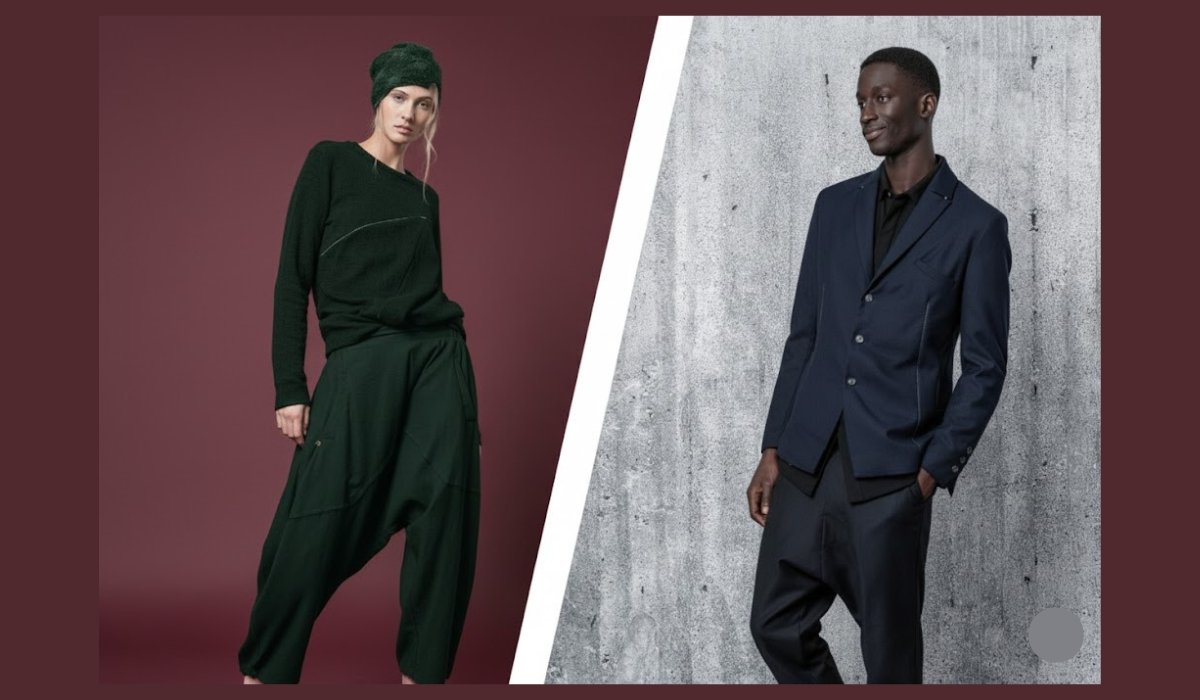
Tired of scrolling through endless feeds of the same cookie-cutter outfits, wondering if true originality still exists in fashion? You’re not alone in craving something more; something that challenges the ordinary and turns clothing into a statement. Avant garde fashion emerges as that bold antidote, pushing boundaries beyond trends and into the realm of art. This article dives into its rich history and core principles, while offering inspiration to weave experimental elements into your own style. Whether you’re an aspiring designer sketching asymmetrical silhouettes or a trendsetter ditching fast fashion for wearable art, discover how avant garde fashion isn’t just redefining wardrobes; it’s shaping a more expressive, innovative future for all of us.
The Roots of Avant-Garde Fashion: A Historical Dive
Avant garde fashion didn’t spring up overnight; its origins trace back to the early 20th century, intertwining with revolutionary art movements that dared to question norms. The term “avant-garde,” borrowed from military jargon meaning “advance guard,” perfectly captures how these styles lead the charge against conventional beauty and functionality in clothing.
Pioneering Movements and Early Innovators
Imagine the 1910s and 1920s, when artists like Sonia Delaunay infused Cubism into textiles, creating abstract prints that blurred the line between art and apparel. This era saw fashion as an extension of broader cultural shifts, with Futurism and Dadaism influencing designers to experiment wildly. Fast-forward to the 1970s, and Japanese visionaries like Issey Miyake and Kenzo Takada brought asymmetry and deconstruction to Paris runways, challenging Western ideals of fit and form. Their work emphasized conceptual clothing over mere wearability, setting the stage for what we see today.
Rei Kawakubo of Comme des Garçons further revolutionized the scene in the 1980s with her “anti-fashion” approach; think oversized, distorted shapes that defied body norms. Alongside Yohji Yamamoto, she introduced monochromatic palettes and textile innovation, proving that fashion could provoke thought as much as admiration.
Iconic Designers Who Shaped the Avant-Garde Legacy
No discussion of avant garde fashion is complete without highlighting trailblazers like Alexander McQueen, whose runway provocation often blended the macabre with the magnificent; remember his Plato’s Atlantis collection with those otherworldly shoes? Vivienne Westwood infused punk subcultural style into high fashion, deconstructing corsets and tartans to critique society.
European icons like Martin Margiela pushed fashion deconstructionism further, recycling materials and exposing seams to question consumerism. These designers didn’t just create clothes; they crafted narratives, turning garments into wearable art that commented on identity, politics, and the human form.
Core Principles of Avant-Garde Fashion: Breaking the Mold
At its heart, avant garde fashion thrives on experimentation, rejecting the predictable in favor of the provocative. It’s about viewing clothing as a medium for ideas, much like a painter uses canvas.
Experimental Aesthetics and Asymmetrical Silhouettes
One hallmark is asymmetrical silhouettes, where balance gives way to deliberate imbalance; think one-sleeved dresses or uneven hems that challenge symmetry’s comfort. This principle draws from geometry, using sharp angles and curves to redefine the body’s outline.
Fashion deconstructionism strips garments bare, revealing construction elements like raw edges or visible stitching, as seen in Margiela’s work. It’s a rebellion against polished perfection, inviting wearers to question what’s “finished.”
Textile Innovation and Conceptual Clothing
Avant-garde designers pioneer textile innovation, blending unexpected materials; recycled plastics, metallic weaves, or even tech-infused fabrics that change color. Conceptual clothing takes this further, where outfits tell stories; a dress might symbolize environmental decay through decaying elements.
Monochromatic palettes often dominate, allowing form and texture to shine, though bold contrasts appear in runway provocation to shock and engage audiences.
The Role of Geometry in Avant-Garde Fashion
Geometry plays a starring role, with designers like Iris van Herpen using 3D printing for intricate, sculptural pieces that mimic natural forms. This mathematical precision creates wearable architecture, turning bodies into moving canvases.
You May Also Like: Dystopia Fashion: 7 Key Elements That Define the Look
Why Avant-Garde Fashion is Important Today: Redefining the Future
In a world dominated by fast fashion’s uniformity, avant garde fashion stands as a beacon of individuality and innovation. It challenges us to see style not as fleeting trends, but as a tool for self-expression and societal commentary.
Pushing Boundaries in a Conforming World
Today, avant garde fashion combats consumerism by promoting slow fashion, where quality and meaning trump quantity. It’s crucial in fostering diversity, embracing queer undertones and subcultural style to amplify marginalized voices.
With climate concerns rising, it drives sustainability through upcycled materials and ethical practices, proving that bold aesthetics can be eco-friendly.
Influencing Mainstream and Future Trends
What starts as avant-garde often trickles down; think how McQueen’s dramatic shoulders influenced everyday blazers. In 2025, it’s redefining style by integrating tech, like AI-designed patterns, and addressing global issues through provocative shows.
This movement encourages us to view clothing as wearable art, inspiring a future where personal style reflects deeper values.
Avant-Garde’s Role in Sustainability and Ethics
As fast fashion wanes, avant-garde leads with sustainable practices, using biodegradable fabrics and zero-waste designs. It’s not just important; it’s essential for a thoughtful, expressive tomorrow.
How to Style Avant-Garde Fashion: A Beginner’s Guide
Dipping into avant garde fashion might feel intimidating, but it’s about starting small and building confidence. Imagine transforming your basics with a single experimental twist.
Avant-Garde Fashion for Beginners: Essential Tips
Begin with accessories: A sculptural necklace or asymmetric earrings can elevate a simple outfit without overwhelming. Mix conceptual clothing with neutrals; pair an oversized, deconstructed blouse with slim jeans.
Experiment with asymmetrical silhouettes by layering uneven hems. For colors, start with monochromatic palettes to focus on shape.
Step-by-Step: Building an Avant-Garde Wardrobe
- Audit Your Closet: Identify versatile pieces open to experimentation.
- Incorporate Geometry: Add angular bags or structured jackets.
- Try Textile Innovation: Seek fabrics with unique textures, like metallic knits.
- Avoid Common Mistakes: Don’t overdo it; balance one bold element per look. Use the “48-hour rule” before buying to ensure it sparks joy.
- Style Scenarios: For work, an asymmetric skirt with a tailored top; for evenings, wearable art like a draped scarf.
Pro tip: Draw from subcultural style, like punk influences, for authenticity.

Source: ayperoquecute.com
Sustainable Avant-Garde Clothing Brands to Explore
Embrace eco-conscious options like LÙCHEN, using upcycled materials for avant-garde pieces. Duran Lantink repurposes deadstock for sustainable, bold designs.
Brands like Avant Gardist blend global influences with ethical production.
| Brand | Key Features | Sustainability Focus |
|---|---|---|
| LÙCHEN | Avant-garde silhouettes, innovative cuts | Upcycled fabrics, zero-waste |
| Duran Lantink | Conceptual, repurposed designs | Deadstock materials, ethical sourcing |
| Avant Gardist | Unique textures, global inspirations | Eco-friendly dyes, small-batch |
| With Consideration | Minimalist with twists | Deadstock, local manufacturing |
| Iris van Herpen | High-tech, geometric | Biodegradable innovations |
This table highlights how these brands merge creativity with conscience.
Avant-Garde in Haute Couture and Beyond
Haute couture remains a playground for avant-garde, where designers like Viktor & Rolf create illusions with experimental aesthetics. Beyond runways, it influences street style, encouraging everyday provocation.
Recent innovations include bio-fabrics and VR fittings, pointing to a tech-infused future.
Avant garde fashion reminds us that style is subjective, evolving. It empowers you to redefine your narrative, one bold choice at a time. Start by trying an asymmetric piece this week; who knows what creative doors it might open?
 Arthur